

The forever purge
Portfolio thoughts again.
I think I’m a bit obsessed with the topic, but it’s so very important. A portfolio is one’s CV, brand, shop window.
As you’ll know - if you’re at all interested the plight of small kittens* - I’ve posted at various times here, on IG, and on my blog, a range of thoughts on portfolio curation. What to include, and how to choose. The difficulties and the rules. How it’s an art and a science. About how to think about who you’re “speaking to”, and what you’re saying. On the tricky balance between showing variety and consistency, the battle between new work and old; putting forward a clear, personal style but displaying the ability to handle the other stuff.
I’ve written about how images become like one’s children (but one’s you’d sacrifice). Why the work we’re proud of today is - by necessity - the same about which we cringe tomorrow. And I’ve touched on the ever-so-slight deterioration, the consistent degradation and corruption caused by each viewing. Sort of, a bit like Frodo and the Ring, if I stretch the analogy (but with the Ring getting worse instead of Frodo, or something). So that it’s generally best not to look at one’s work, ever.
Portfolio and website maintenance is an ongoing, never-ending process, or should be. Ask any photographer about their website and they’ll always say, “Oh, I’ve not updated it in ages.” I’m often adding to mine here and there, bit by bit. And then I hack it back in swathes once in a while. And today is that day, as it’s gotten rather bloated. That and the fact I’m pretty much wrapped for the year**. It’s the Alex Rumford Photography Purge, where, just like in the film, for 24 hours I can delete as many photos as I want. (And then worry about my decisions.)
The guiding questions when keeping or killing*** each picture, as always, are:
Does it say anything? Is it interesting / does it move me? Is it similar to work I already have?
As well as the less-obvious consideration, to do with honesty and objectivity: was it really its own merit which got it into the portfolio originally? Or because of what it took to get it? Because a tough challenge or interesting job doesn’t mean a good picture. It merely creates unwarranted and favourable bias, an attachment which unravels in time.
And, of course: is it any good?
Anyway, have a look at my lovely portfolio over a nice cup of tea and a biscuit****.
*This has nothing to do with kittens. That was a cheap, clickbait-y trick. No animals were harmed in the making of my portfolio.
**This is the moment you realise, as I just did, that I’d forgotten to publish this blog post back in December. But don’t worry, in a few paragraphs there are biscuits.
***Yes, photographers do actually use the word “kill” when “cull” will do, because it sounds cool.
****I promised biscuits (plural) but that was to keep you reading. There’s just one left. Sorry.

University prospectus
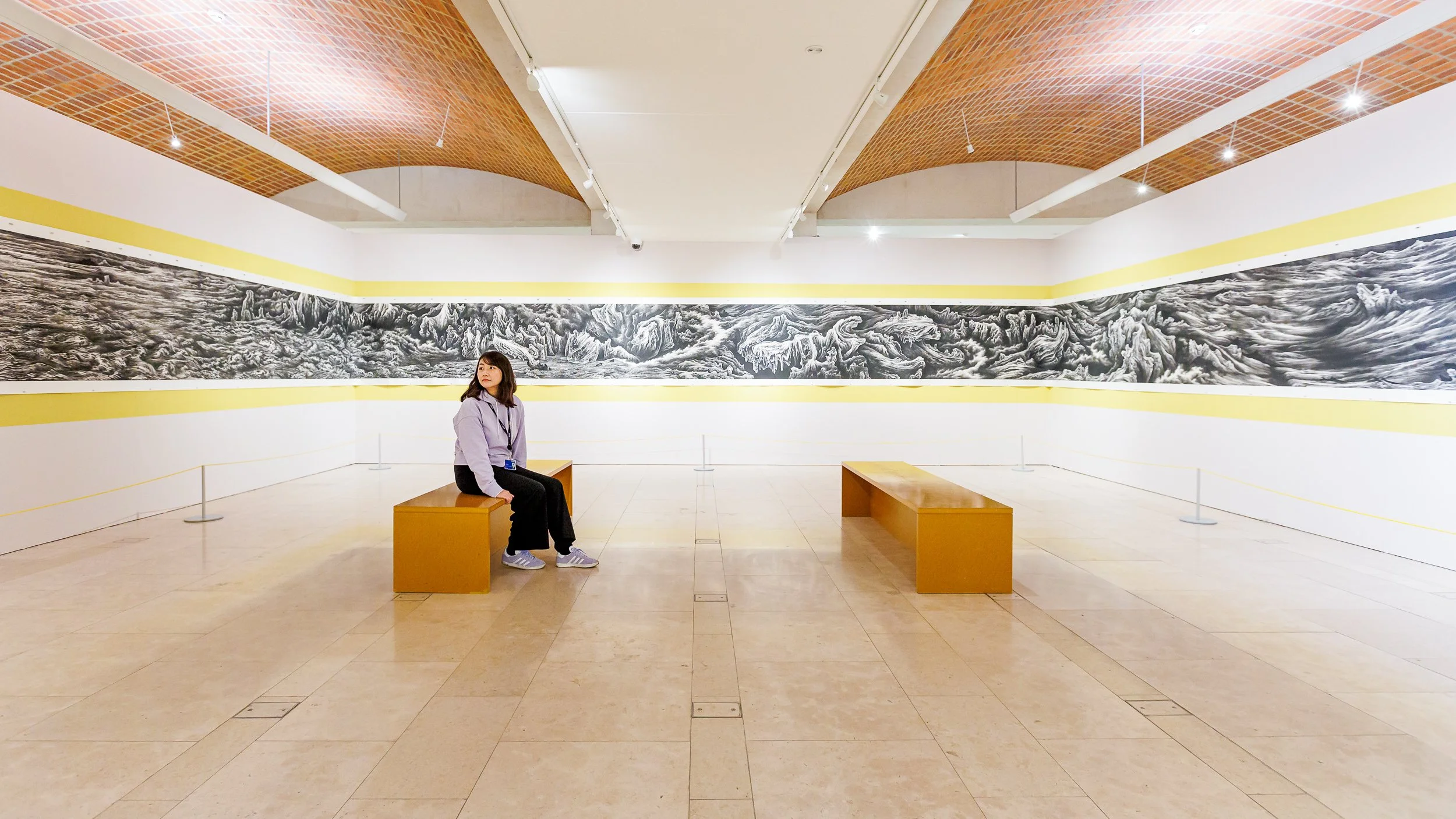
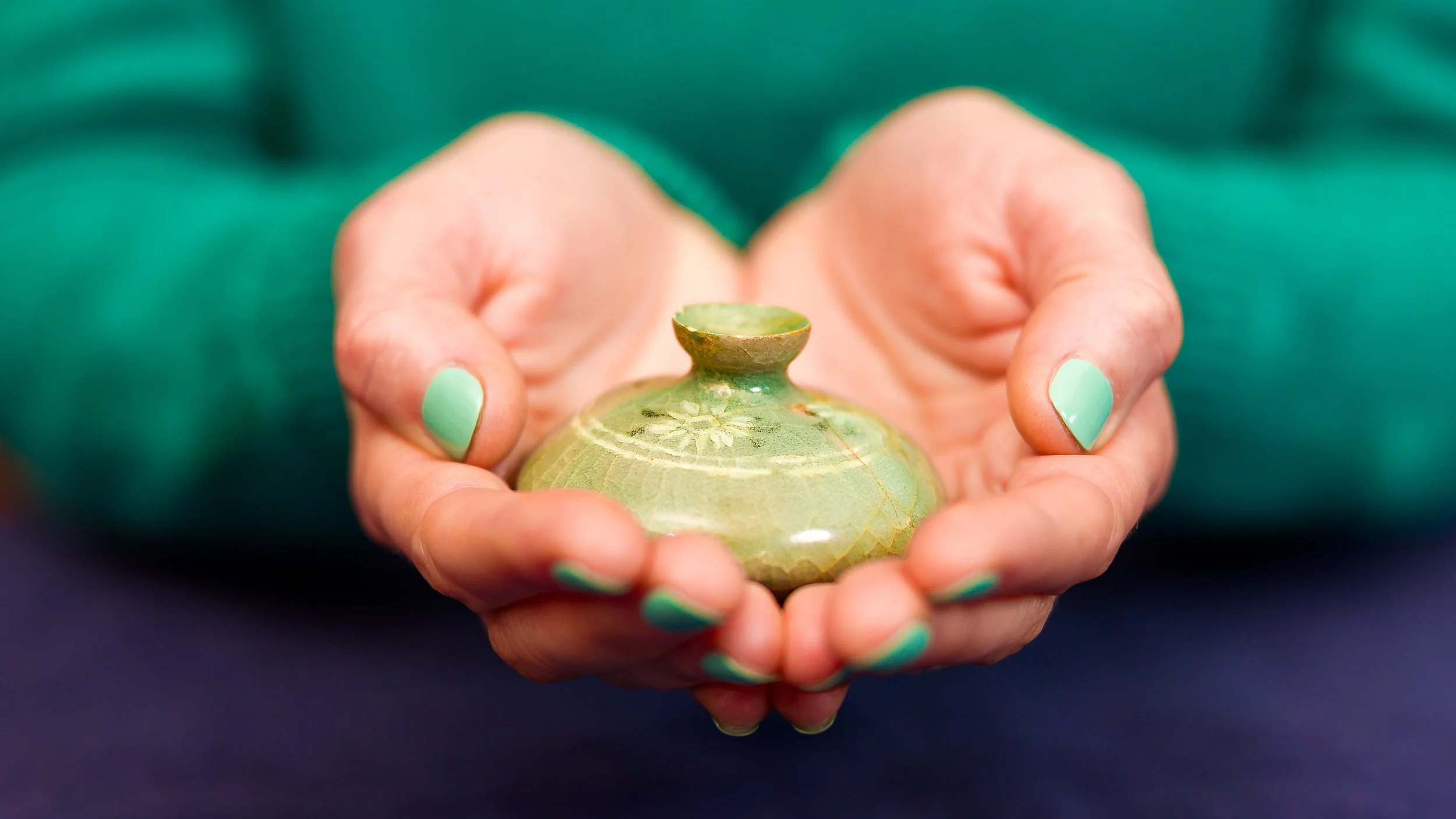
Images from the University of London’s School of Advanced Studies prospectus:





Recent work - June 2025
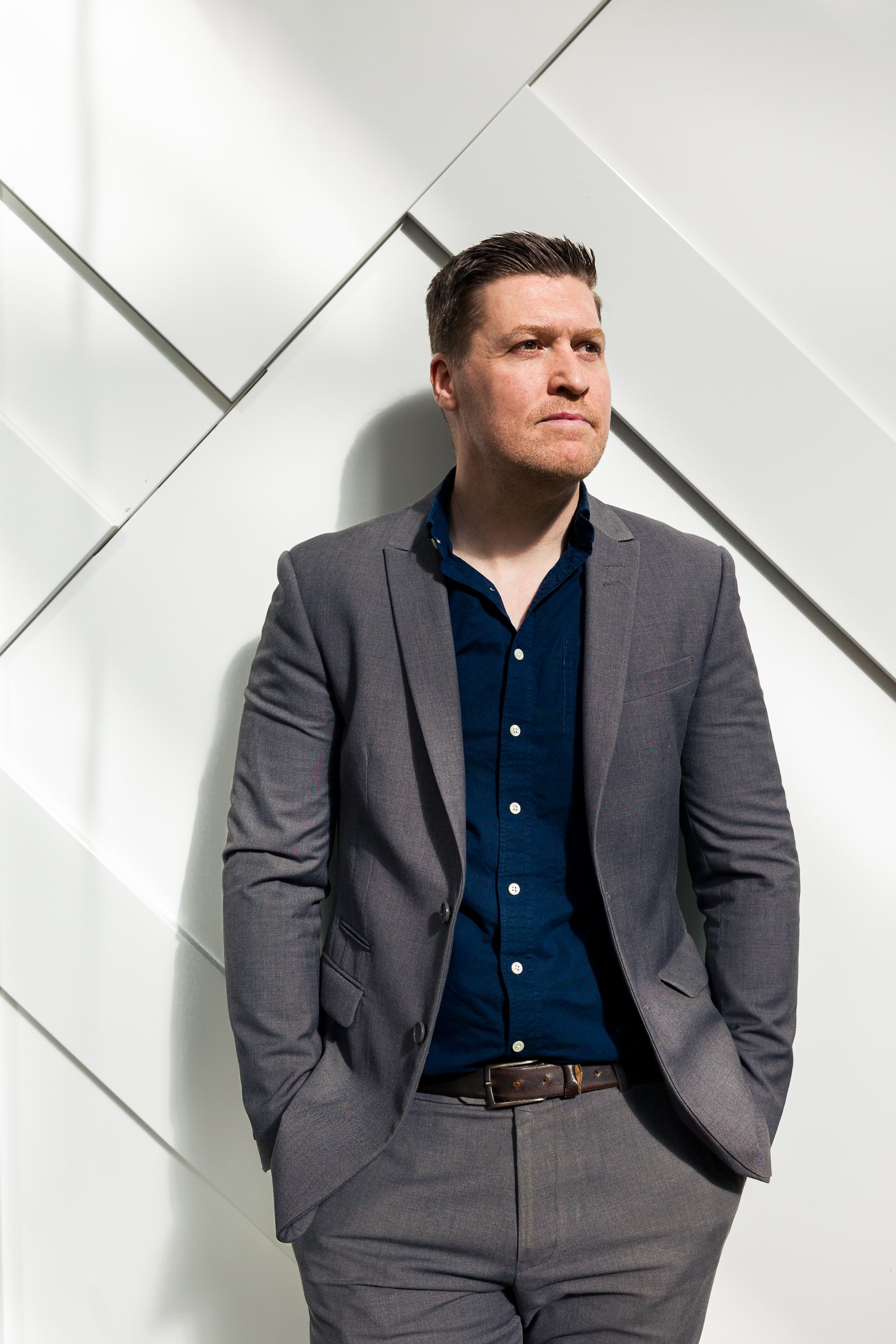
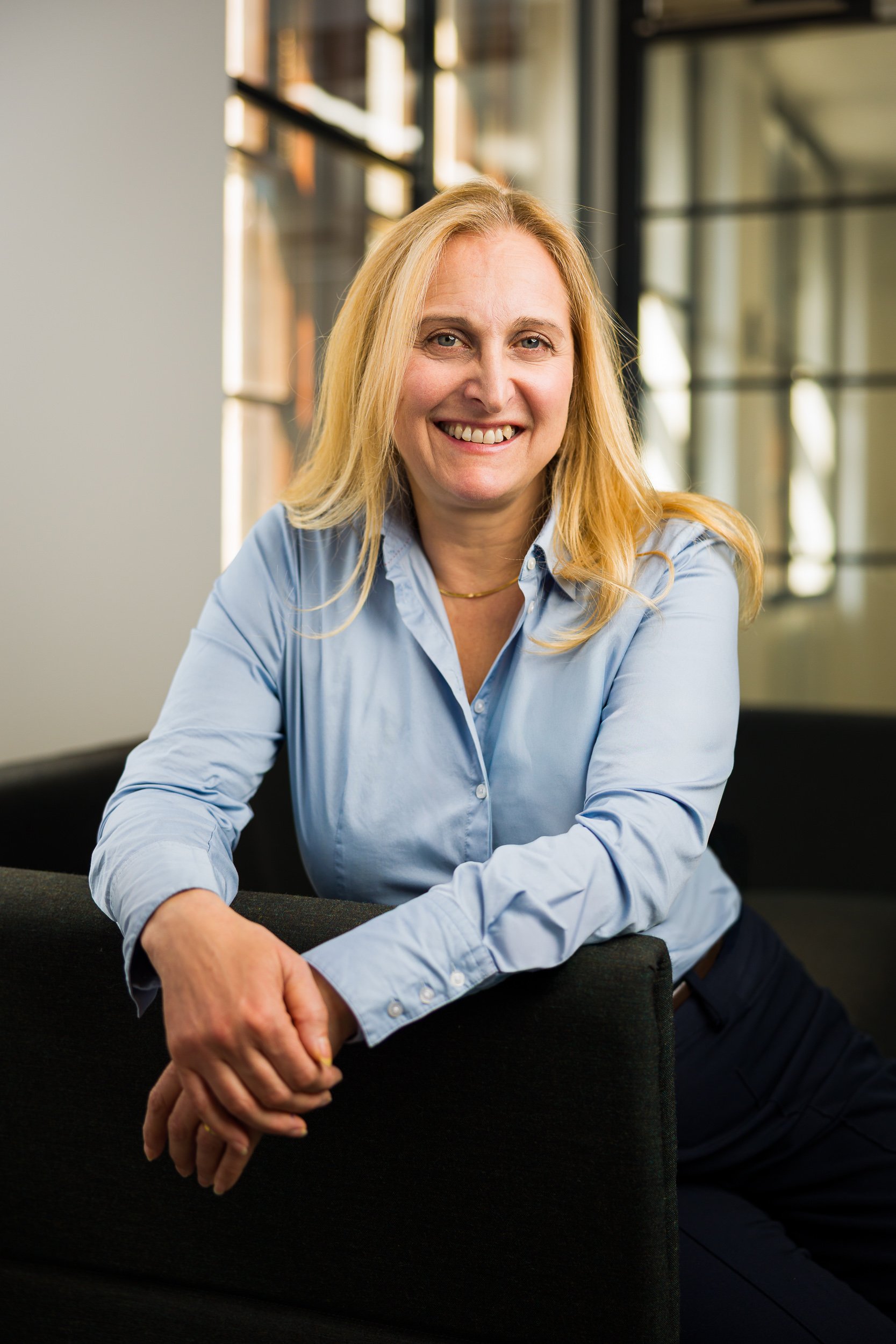
As usual, this is an occasional selection of my 4* and 5* work over recent months (see here if you’re interested in the rating process). The 5* work will end up in one of my galleries. So these “Recent Work” posts are really about showing the 4* ones, the not-quite-portfolio-strong-but-a-shame-to-consign-to-the-hard-drive. Or NQPSBASTCTTHD for short.
A bit of a preamble: portfolios are on my mind at the moment. I noticed I’ve not updated mine much over the past year, and this has always been the litmus test for how I’m doing: how often am I on my website, updating my galleries with new images?
I’m not good at social media. And I’m unsure if anyone reads this blog (there are diagnostics… but the graphs look unhealthy. Again, it doesn’t matter, I’d write anyway). And so my portfolio is all I really have as my CV. It’s there to show my best work, without algorithms, echo chambers, or social media tomfoolery. Anything I’m not happy with gets removed over time, as it just can’t survive the seasons.
So it’s reliable. And I can direct people there.
But if it’s not watered regularly (to mix metaphors) with fresh content then that can be stressful. ‘You’re only as good as your last photo’ - and all that. And it hasn’t been fed or updated much. There are perhaps three 5* images in this set, but none of those that I really love. Which I’m not thrilled about. I don’t want to overstate it. All of the below are fine, even decent. The main thing - The. Main. Thing. - is that they did the job. But we always have to aim higher, for the client and for ourselves.
(If this applies to you, read this and then maybe this which I hope will help your thinking.)
OK love you all bye.








On Looking

I’ve just finished reading On Looking: A Walker’s Guide to the Art of Observation by Alexandra Horowitz.
In it, she walks a regular city block with eleven different people, including a sociologist, a geologist, a blind person, her child, a sound designer, and even her dog. And she sees eleven completely different worlds.
It’s a beautifully written, witty and fascinating exploration into the fact that our skills and background shape what we notice, and can determine our experience.
There’s a subset of this which is something I think about a lot: we see different things depending on what we’re doing. So: not just who we are, but what we’re preoccupied with in the moment. It determines the focus of our attention, and we then miss most of what’s around us. Not because it’s subtle, but because there’s too much information, and it’s nearly all irrelevant*.
If you’re waiting for a bus, you filter for buses. Lost your keys? You scan the ground. In psychology we create what’s known as a “Search Image” - a mental representation or schema to guide a search for a specific target, particularly in a visual context**.
To do this, we need light. Which surrounds us, all the time. It literally makes up *everything* we see - and is the framework of photography. It gives us shape, form, texture and colour. Yet we barely notice these facets in our day to day. They serve only to help us make sense of our surroundings.
We do this because - consciously or not - we’re always doing, planning, or thinking something. So we overlay everything in front of our eyes with meaning, constantly simplifying and interpreting our environment according to what’s on our mind, or how it relates to our situation. We see clouds in the sky: that just tells us it might rain later. And there’s a shape in the near distance. If it’s taller than it is wide, then it might be a person. Do we know them? Do we need to move out of the way? Or we see much larger shape approaching, in the road. But then we see it’s green. We can now ignore it, because it can’t be the bus we're waiting for, which would be red. Getting home, a pile of clothes on the floor catches our eye. We immediately notice they’re white - but that serves only to confirm they can all go in the wash together. And our next thought is likely annoyance that they’re a mess, and have been dumped - so that’s a conversation we need to have later with our teenager.
We couldn’t get by in the world without doing this. We see in order to process, in order to plan. Intentions and actions drive one another. Nothing just “is”.
Perhaps Del the Funky Homosapien (of Gorillaz fame) summed it up best in Clint Eastwood:
“…you don't see with your eye
You perceive with your mind.”
This is where photography comes in. Walking with a camera? Well, now the world can be purely visual. Devoid of practical considerations. Just what you see.
That bus is now a rectangle. The street, a straight line. The coffee cup, a circle.
With a camera, we learn to see things as they are, not how we think they are.
But no, not quite. Again, even here, in the abstract, we’re still doing it. It’s only for the sake of simplicity that we conceive of buses as rectangles, streets as lines, cups (their rims, at least) as circles.
But this is just another shorthand. Because they’re not.
Buses are trapezoids, in our experience (except from directly beside one and from far back - which is never). And coffee cups are never circular, except from directly above, which - again - is not how we usually look at them. The rims (at least) are nearly always ellipses***. And streets are triangles - yes, really - just take a photo when you’re next at the front of the queue at traffic lights.
This difference is important. It’s hard to see things as they are, even with all else stripped away, because we’ve already internalised objects into loose categories for the sake of convenience (and therefore speed in mental processing). We simplify and group shapes, even though we’re often very wrong. We place assumptions onto lines - consider the many optical illusions you’ll see on any social feed. Or you don’t have my distracting algorithm, you’ll have seen the one with two arrows of equal length. And don’t even get me started on colours - remember the blue and gold dress?
Anyway, that’s what I think about (and would recommend the book because it covers this, and so much more).
There’s something meditative in allowing the visual scene in front of you to be just as it is, without judgment or interpretation. It’s a gentle, mental shift in what you let yourself notice. And it comes from a simple, deliberate change in intention and in one’s attention.
*You may be familiar with the Invisible Gorilla test as an extreme example. Subjects are asked to watch a short video of people throwing a ball and are instructed to count the number of times a ball is thrown. More often than not, they completely miss someone dressed in a gorilla suit appearing and walking centre stage, waving, and then leaving. You can see versions on YouTube. It’s called “perceptual blindness” and is an extreme example of the occasionally bizarre results of selective focus.
**A good example was just the other day, when I was looking for something thin, flexible and curled in order to unhook something. I knew there wasn’t an exact tool and I didn’t know what I was looking for - or rather what item would provide the solution - but I could easily scan for the properties needed. I was equally likely to find the appropriate tool in a cutlery drawer, a toybox, a toolbox, or in a desk drawer.
***And if you’re interested, with your eyes in front of it and above i.e. when you’re drinking coffee, the shape of the cup, if it’s a cylinder, would be an “oblique conical frustum” (which I think sounds more like a painful stomach condition).

The photographer's dictionary
Capture (noun)
An irritating term for photograph with, “Nice capture!” being the most vexing.
Chimp (noun)
The practice of repeatedly checking the back of a camera, typically in between shots, to review or evaluate the captured image. Possibly originating from the resemblance between the excited vocalisations of chimpanzees (often rendered as "ooh, ooh!") and the sounds of a photographer reacting to a satisfactory image.
D.P.I. (abbreviation, archaic)
Dots Per Inch. Unnecessary unless you’re printing a photo, and probably unnecessary even then.
G.V. (abbreviation)
General View. A wide or establishing shot capturing the overall setting or context of a location. Considered a critical component in visual storytelling. Notably, failing to capture a GV often coincides - some might say ominously - with the location being destroyed on the same day. The lack of an image can then be problematic in subsequent stories about its destruction.
Glass (noun)
Camera lens or lenses, only ever used in the phrase, “Nice glass.”
Golden hour (noun)
The act of returning to sleep upon realising that the clocks have just gone back for daylight saving time.
Gen(erative) Fill (noun)
AI Photoshop tool which creates whatever you type and eliminates the need for photographers.
Kill (verb)
To delete an image.
Muzzy (adjective)
Out of focus.
Metadata (noun)
Information embedded within a digital photo file that details its technical and contextual attributes. Includes data such as camera model, lens type, exposure settings, file size, and timestamp, along with optional user-added information like the photographer’s name, and caption. While metadata identifying the copyright owner can technically be removed, doing so without permission is not lawful.
Moiré (noun) /mȯ-ˈrā/
The unresolved, wavy, rainbow pattern which appears when an object contains repetitive details (such as lines, dots) that exceed sensor resolution.
nofilter (hashtag)
Literally, no filter has been used to edit a photo, but generally used to mean that a photo has not been edited. A complete fiction, since by definition the creation of a jpeg involves editing processes including sharpening, contrast, saturation, colour profiling etc. (see RAW file). Moreover, if you’re not doing a least a little basic editing, you’re doing it wrong and should not brag about this.
Orphan work (noun)
An image without metadata.
Pin (adjective)
Sharp (of a photo)
RAW file (noun)
An uncompressed, unprocessed image. Asking for the RAW is like asking the cook for uncooked ingredients (see nofilter)
Schindler (noun); Schindlerise (verb, probably)
A term referencing Photoshop’s “selective colour” tool, inspired by the 1993 film Schindler's List, which is predominantly black and white except for a single element (a girl in red). In a black and white photograph, one detail is left in colour to draw attention. Don’t do this.
Tog (noun)
Also, “Photog” - a photographer.
-
June 2025
- Jun 19, 2025 The forever purge
- Jun 19, 2025 University prospectus
- Jun 11, 2025 Recent work - June 2025
- Jun 6, 2025 On Looking
-
January 2025
- Jan 21, 2025 The photographer's dictionary
-
November 2024
- Nov 19, 2024 Recent work - November 2024
-
September 2024
- Sep 17, 2024 Recent work - September 2024
-
July 2024
- Jul 4, 2024 Mean Girls
-
May 2024
- May 28, 2024 Wakehurst
- May 20, 2024 Graduation
-
April 2024
- Apr 16, 2024 Recent work - April 2024
-
January 2024
- Jan 22, 2024 Recent work - January 2024
- Jan 9, 2024 Long live the local
-
October 2023
- Oct 13, 2023 CBRE
- Oct 4, 2023 Recent work - October 2023
-
September 2023
- Sep 22, 2023 Seeing past the subject (2)
-
April 2023
- Apr 17, 2023 Tinder
- Apr 12, 2023 Recent work - April 2023
-
February 2023
- Feb 7, 2023 Will AI do me out of a job?
-
December 2022
- Dec 12, 2022 Freelance life and other animals
-
November 2022
- Nov 4, 2022 Recent work - November 2022
-
July 2022
- Jul 26, 2022 Recent work - July 2022
- Jul 25, 2022 SOAS
-
May 2022
- May 30, 2022 Ebay
- May 18, 2022 Physiotherapy
- May 4, 2022 Vertex
- May 4, 2022 Roche
-
January 2022
- Jan 6, 2022 Recent work - December 2021
- Jan 5, 2022 Prevayl
-
December 2021
- Dec 17, 2021 The day the hairdressers opened
-
December 2020
- Dec 15, 2020 SOAS - postgraduate prospectus
- Dec 7, 2020 Online teaching
-
October 2020
- Oct 11, 2020 Gratitudes
- Oct 5, 2020 GoFundMe Heroes
-
September 2020
- Sep 24, 2020 Headshots: why we need them, and why we don't like them
- Sep 15, 2020 From the archives - seven
- Sep 10, 2020 Recent work - September 2020
-
February 2020
- Feb 13, 2020 Mootral
-
November 2019
- Nov 7, 2019 Biteback 2030
-
October 2019
- Oct 2, 2019 Guinness World Records
-
September 2019
- Sep 16, 2019 B3 Living
-
July 2019
- Jul 22, 2019 Recent work - July 2019
- Jul 19, 2019 From the archives - six
-
April 2019
- Apr 15, 2019 Recent work - April 2019
-
March 2019
- Mar 12, 2019 International Women's Day
-
February 2019
- Feb 4, 2019 Recent work - February 2019
-
January 2019
- Jan 17, 2019 Four photographs
-
December 2018
- Dec 19, 2018 Handy gadgets and where to find them
- Dec 10, 2018 From the archives - five
-
November 2018
- Nov 26, 2018 How to compose photographs
- Nov 5, 2018 Recent work - November 2018
-
October 2018
- Oct 17, 2018 How to edit photographs in Instagram
- Oct 8, 2018 Out with the old
- Oct 4, 2018 Recent work - October 2018
- Oct 1, 2018 A little learning is a dangerous thing
-
September 2018
- Sep 12, 2018 From the archives - four
-
August 2018
- Aug 16, 2018 Recent work - August 2018
- Aug 15, 2018 I don't follow you
- Aug 6, 2018 Cookpad
-
June 2018
- Jun 7, 2018 Monks & Marbles
-
May 2018
- May 23, 2018 Netflix & Woof
- May 21, 2018 Best of Instagram
-
April 2018
- Apr 24, 2018 Standard Chartered Bank
-
March 2018
- Mar 16, 2018 Corporate self-portraiture (two)
- Mar 8, 2018 International Women's Day
-
February 2018
- Feb 9, 2018 Winter swimming
-
January 2018
- Jan 23, 2018 From the archives - three
- Jan 16, 2018 2017 in pictures
-
December 2017
- Dec 6, 2017 Toyota Mobility Foundation
-
November 2017
- Nov 24, 2017 Corporate work
-
October 2017
- Oct 31, 2017 Recent work - October 2017
- Oct 13, 2017 Pfizer - Protecting our Heroes
-
September 2017
- Sep 21, 2017 Campaign portraits
-
August 2017
- Aug 22, 2017 Wyborowa vodka
- Aug 1, 2017 Vauxhall animation
-
July 2017
- Jul 31, 2017 Tanguera
- Jul 20, 2017 Take your parents to work
-
June 2017
- Jun 22, 2017 Recent work - June 2017
-
May 2017
- May 22, 2017 Mannequins (female)
- May 16, 2017 Scott Reid
- May 9, 2017 Huawei - The New Aesthetic
-
April 2017
- Apr 24, 2017 S.H.O.K.K.
- Apr 21, 2017 Battle
- Apr 18, 2017 Ashburton
- Apr 11, 2017 Victoria Jeffrey
-
March 2017
- Mar 30, 2017 Parkour Generations
- Mar 27, 2017 War Horse in Brighton
- Mar 23, 2017 Rock'n'roll
- Mar 20, 2017 Jane Eyre
- Mar 15, 2017 Patricia Cumper
- Mar 8, 2017 1000 Pieces Puzzle
-
January 2017
- Jan 23, 2017 Framing 101
- Jan 10, 2017 View from the gods
-
December 2016
- Dec 14, 2016 Studio Fractal
-
November 2016
- Nov 29, 2016 Musician
- Nov 21, 2016 Gavin Turk
- Nov 10, 2016 While I was waiting...
- Nov 3, 2016 Canvas
-
October 2016
- Oct 28, 2016 Rishi Khosla
- Oct 18, 2016 Sadlers Wells workshop
- Oct 11, 2016 Rose Bruford
- Oct 6, 2016 Making lemonade at Harrods
-
September 2016
- Sep 28, 2016 Money Mentors
- Sep 21, 2016 Instawalks
- Sep 12, 2016 Mannequins (m)
-
August 2016
- Aug 23, 2016 Tomorrow's People
- Aug 17, 2016 Mousetrap
-
July 2016
- Jul 28, 2016 Property brochure
- Jul 19, 2016 Choosing between photos
- Jul 8, 2016 Create Victoria
- Jul 1, 2016 Recent work - July 2016
-
June 2016
- Jun 21, 2016 Cohn & Wolfe 2
- Jun 10, 2016 Physical Justice
-
May 2016
- May 31, 2016 Corporate self-portraiture
- May 23, 2016 Photivation (two) & Instagram
- May 16, 2016 From the archives - two
- May 4, 2016 Red Channel
-
April 2016
- Apr 28, 2016 GBG corporate shoot
- Apr 21, 2016 28 days later
- Apr 14, 2016 Colgate
- Apr 6, 2016 Breaks and burns
-
March 2016
- Mar 31, 2016 Mixed bag
- Mar 22, 2016 Pearson
- Mar 15, 2016 War Horse - The Final Farewell
- Mar 8, 2016 The Jersey Boys
- Mar 1, 2016 Sky Garden
-
February 2016
- Feb 23, 2016 Avada Kedavra!
- Feb 17, 2016 Bees
- Feb 8, 2016 From the archives
-
January 2016
- Jan 27, 2016 Kaspersky - Alex Moiseev
- Jan 19, 2016 Melanie Stephenson
- Jan 11, 2016 Photivation
-
December 2015
- Dec 28, 2015 Noma Dumezweni
- Dec 17, 2015 Creating a portfolio
- Dec 8, 2015 Victoria
- Dec 1, 2015 Collabo
-
November 2015
- Nov 25, 2015 Danny Sapani
- Nov 17, 2015 People, Places and Things
- Nov 10, 2015 Romain Grosjean
- Nov 2, 2015 Egosurfing
-
October 2015
- Oct 23, 2015 The Curious Incident of the Dog in the Night-Time
- Oct 13, 2015 This Girl Can
- Oct 1, 2015 Ratings are overrated
-
September 2015
- Sep 23, 2015 Indra
- Sep 15, 2015 Seeing past the subject
- Sep 8, 2015 Black and white (two)
- Sep 2, 2015 The decisive moment (two)
-
August 2015
- Aug 25, 2015 British Gas
- Aug 19, 2015 Problem solving vs creativity
- Aug 12, 2015 Cohn & Wolfe
- Aug 5, 2015 James
-
July 2015
- Jul 31, 2015 Photographing the photographer
- Jul 28, 2015 Black and white
- Jul 20, 2015 Comedian
-
December 2014
- Dec 15, 2014 2014 in pictures
-
January 2014
- Jan 9, 2014 2013 in pictures
-
February 2013
- Feb 10, 2013 It's not the camera
-
December 2012
- Dec 31, 2012 2012 in pictures
-
April 2012
- Apr 30, 2012 What the job is - or, "Dealing with lemons"
- Apr 13, 2012 Your holiday photos aren't rubbish
-
May 2011
- May 13, 2011 Showing the world differently
- November 2010
-
October 2010
- Oct 9, 2010 Seeing pictures